


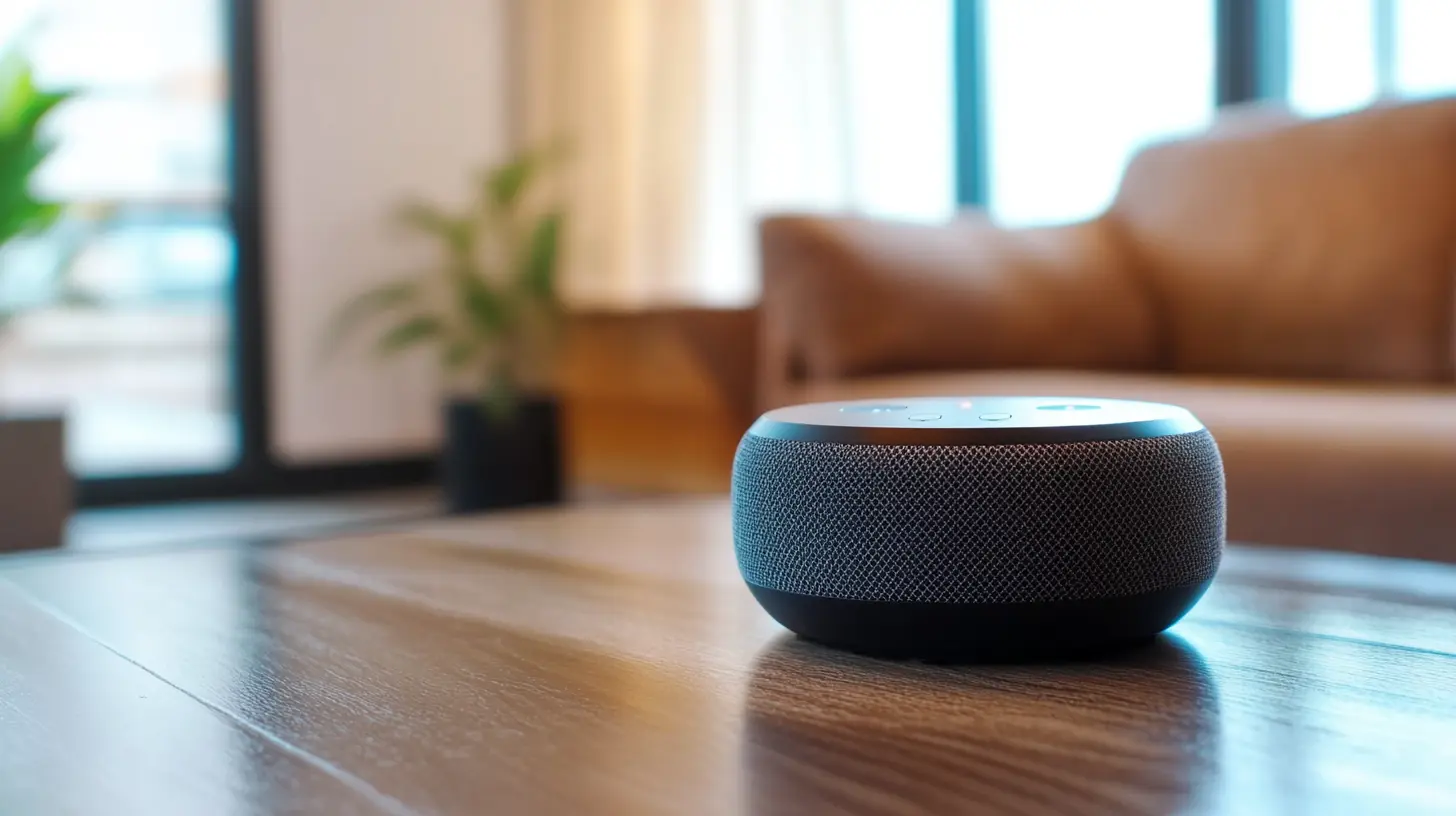
Smart home devices are at the forefront of evolving our lifestyles in an ever-changing technological environment. The demand for perfection in automation and purchasing convenience is at its peak. Nanjing IoT Sensor Technology Co.
Ltd., along with its subsidiary Wulian Smart Home in Guangzhou, specializes in a wide range of solutions such as home automation, connected communities, and smart cities. It is our expertise that allows us to meet specific customer needs, as our approaches can improve their experiences from the technical to the tolerable.
In such a thriving market, effective sourcing of smart home devices is crucial. In this article, we will examine seven different strategies to improve your sourcing experience and help you master the complex process of acquiring new, innovative technologies.
These strategies, ranging from building strong relationships with quality suppliers to leveraging data-driven insights, are designed to enable you to make informed choices to achieve your goals. We invite you to read on: we present some essential approaches that could help you transform your smart home experience into a seamless and efficient one.

One of the most important steps to improving your home automation shopping experience is to accurately identify your needs. In fact, according to a recent report by Statista, the global home automation market is expected to exceed $135 billion by 2025, illustrating the growing demand for smart technologies. However, a personal needs analysis is imperative before diving into this international market. Your lifestyle can significantly influence your decisions, even when it comes to purchasing. Take, for example, a study by the Consumer Technology Association (CTA).
According to this study, more than 60% of connected device owners report using them primarily for security purposes. If securing your home is your priority, invest in this type of device. Smart locks , surveillance cameras, and alarm systems. If energy efficiency is another consideration, you might consider a smart thermostat or energy monitoring system, which the International Energy Agency estimates can save up to 20% on household electricity bills.
Considering the compatibility of existing devices and their ease of integration can also save time and reduce future costs. A survey by Parks Associates, for example, found that 70% of consumers prefer devices that are compatible with their smartphones and other home automation systems. This will help you ease your journey into the smart home world by targeting consumer needs early on. This way, your investment will meet your needs and allow you to fully reap its benefits.

Search for the best brands and their unique offers
Choosing the right smart home devices from quality brands improves the user experience. Studying and understanding their specific features can make the difference between usefulness and customer satisfaction. Each brand offers its own distinctive features, ranging from ecosystem compatibility to unique technology that meets specific needs.
Let’s start with the most prominent brands in the smart home industry: Google Nest, Amazon Echo, and Philips Hue. The next crucial step will be to identify the characteristics of each. For example, Google Nest devices rely heavily on Google Assistant integration, allowing for quick control via voice commands. Amazon Echo excels in smart home interfaces, seamlessly interacting with numerous providers via Alexa, allowing customers to create their own smart ecosystems.
Explore the product lines and their specific features in detail. While Ecobee has made a name for itself in advanced self-learning thermostat technology, Ring has dedicated itself to home security solutions, bringing peace of mind to every homeowner with its innovative doorbell and camera systems. Understanding these specific details allows you to better choose the smart home devices best suited to your lifestyle and invest in solutions that will truly benefit you every day. Being better informed will serve you well in the smart home market; thorough research will be your best weapon against poor product choices.

Compare features and prices across multiple retailers
Now more than ever, knowledge of available options is essential, as the smart home security market is expected to reach $29.04 billion by 2024 and $93.14 billion by 2032.
Particular attention must be paid to specifications, compatibility with existing products, and whether they fit into the overall ecosystem. This factor is becoming increasingly important, as the smart home market is expected to grow from $120.1 billion in 2024 to over $370.95 billion in 2029. Retailers also serve as platforms where consumers can easily compare information to get the best price on products that also meet their tastes and needs.
The emergence of new players in the smart home market also demonstrates that consumers have more choices than ever before. With the creation of new brands and massive capital investment, buyers can overturn the competition. By comparing and contrasting, smart homeowners can enhance their smart home experience and make budget-friendly decisions while improving their lifestyle.

Understanding compatibility and integration for seamless use
With the evolution of smart home technologies, device compatibility and integration are becoming essential to deliver a seamless user experience. According to a report by MarketsandMarkets, the global smart home market is expected to grow from $79.16 million in 2020 to $135.3 billion in 2025. This growth confirms the growing demand for interconnected devices. Faced with the immense choice, consumers wonder which devices will work together.
Compatibility relies on the requirement that manufacturers adhere to industry standards and protocols. The very existence of these standards, promulgated by authorities, can therefore significantly facilitate communication between different devices.
The Consumer Technology Association (CTA) reports that more than 80% of smart home users have experienced frustrations related to integration difficulties, which clearly underscores the need to choose devices that can communicate effectively within the same environment.
Devices must be truly compatible to enhance the shopping experience, and this verification should be carried out before purchasing. According to Grand View Research, 45% of smart device owners consider integration with their existing technology when choosing new products. Compatibility, in this case, simplifies installation while expanding the functionality of their smart home systems, ensuring seamless operation of devices for a smart living space.
Leveraging user and expert feedback in decision-making
Too much information on something as simple as household appliances can be a double-edged sword. Yet, user and expert reviews are enough to navigate the maze of smart home devices. User reviews offer the layperson an insight into the devices’ performance in terms of usability and reliability. By carefully reviewing both positive and negative reviews, potential buyers can discover what isn’t necessarily apparent in product descriptions and marketing materials.
While consumer reviews can steer consumers toward certain companies, expert advice can further refine their decision. Experts have extensive knowledge of new technologies and trends in the smart home device industry.
Their analyses help distinguish gadgets from innovative solutions. It’s helpful to rely on specialized sources of information, such as reliable technology publications and reviews, which can analyze the long-term performance and compatibility of devices. These analyses allow for better comparisons between user and expert reviews, allowing readers to make informed choices tailored to their needs and preferences.
These combined tools not only promise savings but also reward consumers in tangible ways by helping them enjoy the benefits of their home. Understanding other users’ experiences with similar setups can point you toward those that deliver everything from integration capability to customer satisfaction. It also connects consumers with products and features that garner community and expert approval, creating a smart home that’s truly tailored to their needs.
Explore purchase incentives: discounts, bundles, and rewards
Purchase incentives, such as discounts, bundles, and loyalty programs, are essential to improving the user experience in a rapidly evolving connected home market. With the global smart home security market expected to reach $29.04 billion in 2024 and grow to a whopping $93.14 billion by 2032, consumers are increasingly looking for value beyond connected devices alone. Incentives must not only guide initial purchasing decisions but also build loyalty so consumers return.
Bundles, for example, can create a more integrated ecosystem; in turn, users feel more engaged with other devices and are therefore more excited to purchase a set. Such promotions could lower barriers to entry—for those hesitant to adopt multiple smart technologies—by allowing consumers to be associated with a bundle of products offered together. This results in a platform that allows customers to generate points or earn them for a discount through their interaction with the brand, significantly improving the shopping experience.
As major players in the smart home industry consider leveraging these incentives, adopting an agile marketing strategy becomes essential. Promoting the objective benefits gained through brand interaction will be a differentiating factor in a fiercely competitive environment, allowing the parent company to attract and retain customers. Customers’ focus on creating engaging shopping experiences boosts sales, but more importantly, it helps communicate the true value of integrating smart technologies into their daily lives.
Stay informed about new smart home technologies and trends
The rapid evolution of smart home technologies is an interesting example of emerging technologies offering immense opportunities and equally significant challenges for both consumers and suppliers. To improve the smart home sourcing experience, it is essential to stay up-to-date on new technologies and trends.
A highly effective way to do this is to continually immerse yourself in industry publications, podcasts, and webinars that showcase innovations or emerging products. This active learning allows you to gather information not only on the current state of the market but also on prospects, helping you make informed sourcing decisions.
Trade shows and exhibitions dedicated to smart home technologies provide an even deeper understanding of market sources. These events showcase cutting-edge products and services from key players, giving attendees insight into the innovations driving home automation. Industry networking facilitates relationships that can translate into solid sourcing opportunities, including advice on emerging trends and consumer preferences.
Participating in online forums and communities dedicated to home automation is another method. Communicating with other enthusiasts and experts can fuel enriching discussions and share knowledge about new products, features, and best practices. Paying attention to user reviews and comments can influence purchasing decisions.
This way, when purchasing devices, you choose those that comply with current standards and survive in a very dynamic market. This interaction with CNN enriches your purchasing experience and ensures that your home automation is at the cutting edge of technology.
Evaluating customer support and warranty options for your devices
Customer support and warranty are important aspects that most customers overlook when considering different smart home device options. Good customer support makes all the difference between a long and smooth user experience. Research the various support channels before purchasing: phone, email, or live chat? A company offering 24/7 support demonstrates its commitment to customer satisfaction and ensures that you’ll never be left behind in the event of a technical issue. It’s often helpful to check customer reviews for this as well.
Numerous warranties should be a priority. A solid warranty usually indicates that the manufacturer is confident in the quality of their product. More importantly, it protects your money against defects or failures. Look for devices with at least a one-year warranty. Some companies also offer longer warranties, covering accidentally damaged items, for added peace of mind. Ask the warranty terms regarding these limitations and claim procedures; This can make all the difference to your satisfaction. By carefully evaluating these criteria, you can be sure that your home automation devices will exceed your expectations.

