


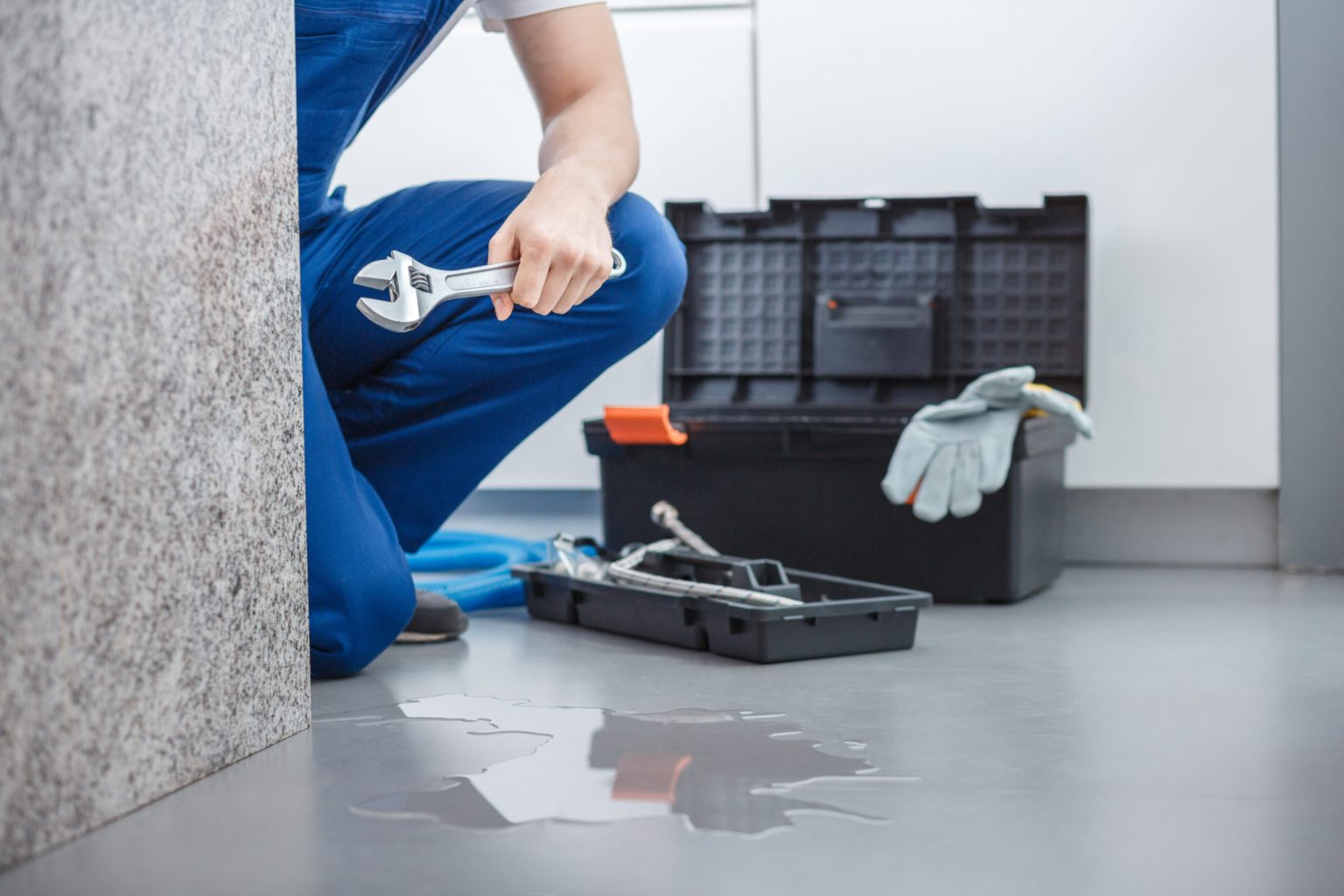
The moment you notice changes in the way water drains from the bathroom floor, water backs up into the bathtub, shower, or sink, you should know that it is time for this bathroom floor drain to be replaced.
It is important to identify possible problems with interior plumbing before they cause further malfunctions. In general, some of the most unpleasant are those created by malfunctions of a floor drain, which is why in the following lines, you will find out what the role of the floor drain in the bathroom is, and when it is necessary to replace it.

The role of the floor drain in the bathroom
Floor drains are designed to efficiently and safely direct water to a sewer or city drain, keeping floors dry and rooms from flooding. This is why they are generally located at the lowest point in a home.
Furthermore, floor drains also serve the purpose of preventing odors and sewer gases from making their way through the drain and into your home. In general, a floor drain should always have a screen fitted over it to prevent injury, foreign objects from entering, or unwanted pests from entering the system. However, if the screen is not smooth enough, hair and other objects can get stuck in it, clogging the drain.
The main role of a bathroom floor drain , an important component of a plumbing system, is to evacuate excess water in the areas where it is installed, but apart from that, the drain also has an important role in ventilation, maintaining a pleasant atmosphere in the bathroom. All plumbing fixtures, including floor drains, must have drains.
A trap looks like a “U” shaped pipe. If you look under your kitchen or bathroom sink, this will give you an idea of what a trap looks like, as it is simply a fitting that provides a liquid seal to stop the release of gases from the sewer. Traps are generally made of PVC, metal, plastic and have a removable grate.
A floor drain is constructed to retain a body of water that acts as a water seal and should be of the self-cleaning type. Furthermore, it should generate sufficient velocity from the available flow to have a self-cleaning effect, a smooth finish and a completely uniform bore.

When is it necessary to replace the floor drain?
Damage to the floor drain can result in many leakage problems, and the symptoms of a floor drain that needs to be replaced are easy to identify:
- Water backflow from the sink, toilet, bathtub or shower.
- Stagnation of water on the bathroom floor.
- The appearance of unpleasant odors in the bathroom.
- You may not notice any of these symptoms and it could be a hidden crack in the floor. The symptoms appear on the lower floor in the form of leaks in the ceiling.
Because the process of changing the siphon is complicated, it may be necessary to break the floor or replace some pipes, not just the siphon, you will need professional intervention, a certified plumber who has experience plus all the necessary tools and equipment.

Tips for bathroom floor drain maintenance?
To prevent clogging and ensure smooth water flow, there are a few measures to keep floor drains out:
- Pour water into your floor drain regularly. Your floor drain uses a siphon mechanism to prevent sewer gases from seeping into your home. Ideally, many suggest keeping the water level at least 2-3 inches below the drain. You can top that up with about 1-2 gallons of water every week to avoid dirty, stagnant water. This is also a good practice to make sure your drain line is open and water is flowing through it as well. The water will fill this floor drain, forming a barrier between your home and the sewer system.
- Interior floor drains capture overflow from toilets, sinks, washing machines, and bathtubs and direct it to the main sewer drain. There should be a water barrier inside the sewer system to prevent overflow and foul odors from reaching the floor drain. Once you notice an unpleasant odor coming from a drain, add a bucket of soapy water to refresh the water balance. If you notice that the water is taking a long time to drain, you will know that it is time for a thorough cleaning.
- Don’t let your drains get clogged, as they collect all sorts of debris, from pet hair to dust particles. These can collect and clog your floor drain, preventing waste water from flowing freely. Use a plunger to clear minor clogs and prevent overflows, or pour a solution of vinegar and baking soda down the drain.
Having your floor drains professionally checked and cleaned every quarter will protect them from costly repairs. For regular maintenance, use a safe liquid drain cleaner to clean the components.
Schedule a time at the beginning or end of the month to maintain your floor drain, as a bathroom floor drain full of dirt and debris will only cause inefficient water flow and an unpleasant odor.

