


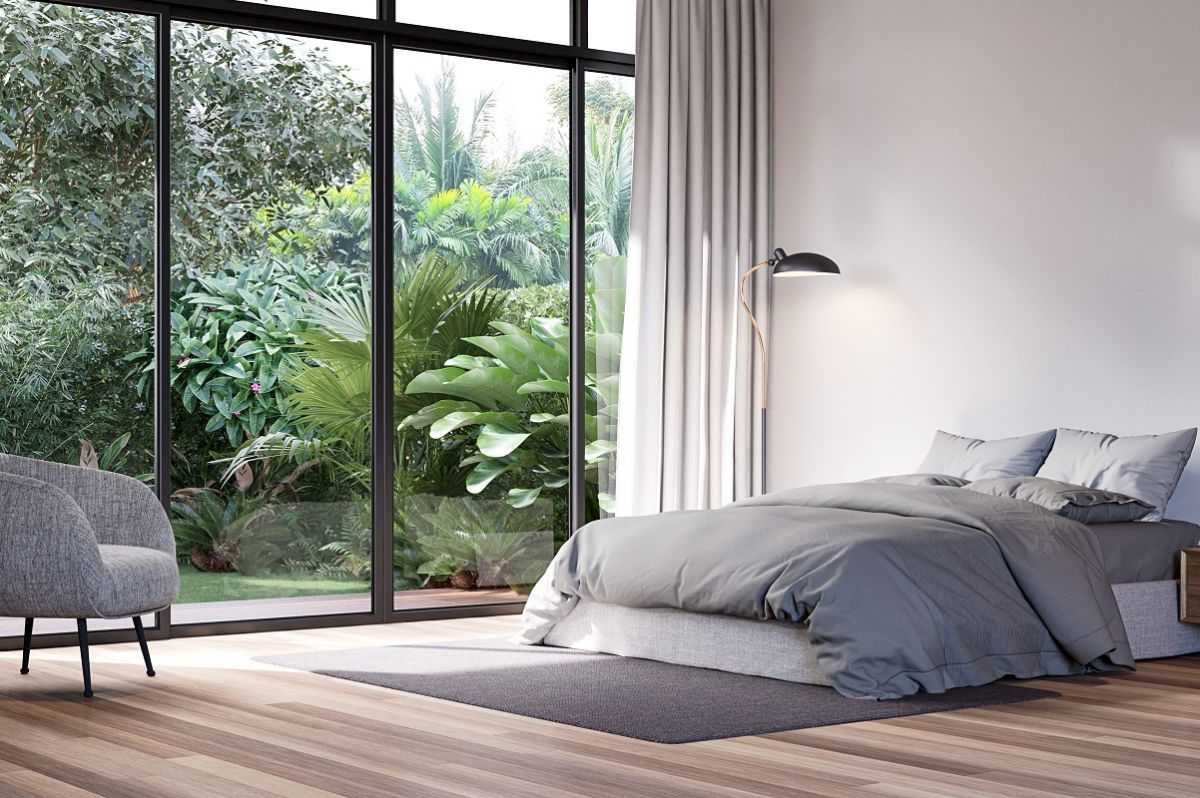
Associated with the famous phrase attributed to architect and designer Mies van der Rohe, “Less is more”, the minimalist style is an apparently austere aesthetic trend, in which the emphasis is placed on the purity of forms and the simplicity of lines.
Most people today are familiar with the minimalist style, in its concept of stripping things down to their bare essentials. This concept can be applied to everything from art and lifestyle to architecture and interior design.
Clean lines, reductive, uncluttered, monochromatic, simplicity, “less is more”, these are just a few of the terms and concepts that immediately come to mind when you think of minimalist style.
It’s impossible to deny the serenity and simple beauty when faced with a resolved minimalist interior, but on the other hand ,you have to understand that it’s not just a few pieces of furniture on a white background, leaving the space feeling cold, unoccupie,d and without personality.

What is minimalism?
Emerging in the 1960s as a reaction to the excess of color and detail characteristic of previous art forms, the phenomenon of minimalism began to really take off a decade later. The minimalist style aims to minimize the number of colors, shapes, textures, and lines as much as possible. A minimalist design is characterized by straight lines, very simple shapes, and an airy atmosphere.
Often, minimalism means keeping a space simple, not necessarily cluttered, with a mostly monochromatic palette, where color is used as an accent. Minimalist style and functionality go hand in hand.
A minimalist design space incorporates an open floor plan, lots of light, and simple furniture that is well-constructed and comfortable. All of this creates a calming and inviting space that has a timeless aesthetic.
Features of minimalist design in interior design
- Minimalism as an interior design style aims to simplify every element of the decor. In a minimalist space, only the bare necessities are found, while natural light is present in abundance.
- Create open spaces wherever possible and avoid partitions that do not play an important role in dividing the house. The kitchen is usually open space, including the dining room and living room, sometimes the hallway. This streamlines the traffic in the house, visually increases the space and facilitates social interaction. The disadvantage is the lack of privacy.
- The color palette is neutral, the furniture is multifunctional and spacious, the layout is open-plan where possible, and decorative objects are absent.
The colors can be dull or bright, but in no case are they garish. They surprise with an elegant chromatic contrast. - The minimalist style boasts extremely simplified shapes. The pieces are geometric, square, rectangular, round, and the surfaces are clean, without decorations and without details.
The furniture is simple, functional and streamlined, with nothing too big or flamboyant, neither in accessories nor in decoration. Minimalism is ultimately defined by functionality and ultra-clean lines.

- Minimalist furniture and accessories focus on functionality and utility. Flat, smooth surfaces and strong, clean lines create bold statements that emphasize the essential nature of each element. You won’t find highly patterned furniture and accessories or highly detailed ornamentation. Instead, the focus is on purity and simplicity of form.
- Crisp, clean counters and surfaces, bare walls with minimal artwork, and eliminating clutter are also essential to creating a minimalist space.
- The monochromatic color palette of white, beige, and gray is typical of spaces with minimalist design.
- It ensures sufficient natural light in each room, for the warmest possible atmosphere.
- Opt for a unified look throughout the apartment. Use a limited range of materials and colors, maintaining continuity from one room to another.
- Add personality to your home with ceiling, wall, and floor finishes, but in moderation. It’s ideal to keep most surfaces as simple as possible and accentuate just a few with textured materials.
- Forget about the decorative polystyrene moldings and boxes for the ceiling and walls, the ornate cabinets and furniture with arched legs. Every element of the decor should be simplified.

How to make a minimalist space feel warm and inviting
Minimalist spaces are instantly recognizable for their clean, clear, clutter-free, and monochromatic look. Decluttering a space helps declutter the mind and create a sense of visual calm. However, some minimalist designs can run the risk of looking a little too busy.
To avoid this and to ensure that your minimalist space still feels welcoming, there are a few small touches you can make. Whether it’s your kitchen, bedroom, or living space, here are some ways to add warmth and color to your minimalist-style rooms .
- Combine different shades and textures . When using a monochromatic color palette, a great way to bring warmth to a space is by incorporating different shades and mixing textures. For example, using linen wallpaper and soft wool fabrics and rugs in the bedroom adds a soothing warmth. In the bathroom, the texture and grain of tile patterns can add visual interest while maintaining a neutral color palette, while wooden accessories can soften strong, white or concrete elements.

- Incorporate textiles. They generally add texture and provide extra dimension and warmth to a space. Drapery, bedding, pillows, and area rugs in different textiles, such as linen, wool, and cotton, are just a few examples of how you can add warmth and comfort to a room while maintaining a minimalist style.
- Add small accents of color . To energize the space without losing any of the purity and simplicity of the minimalist style, you can combine white with a color such as red, green, blue or orange. The more intense the shades, the more they will brighten the room, and the paler they are, the more welcoming and relaxing the atmosphere will be.
In conclusion, the essence of minimalist design is to reduce shapes and colors to their simplest states, to create airy, bright, and elegant spaces. The color palette encompasses light and soft natural shades, such as cool and warm grays.

