


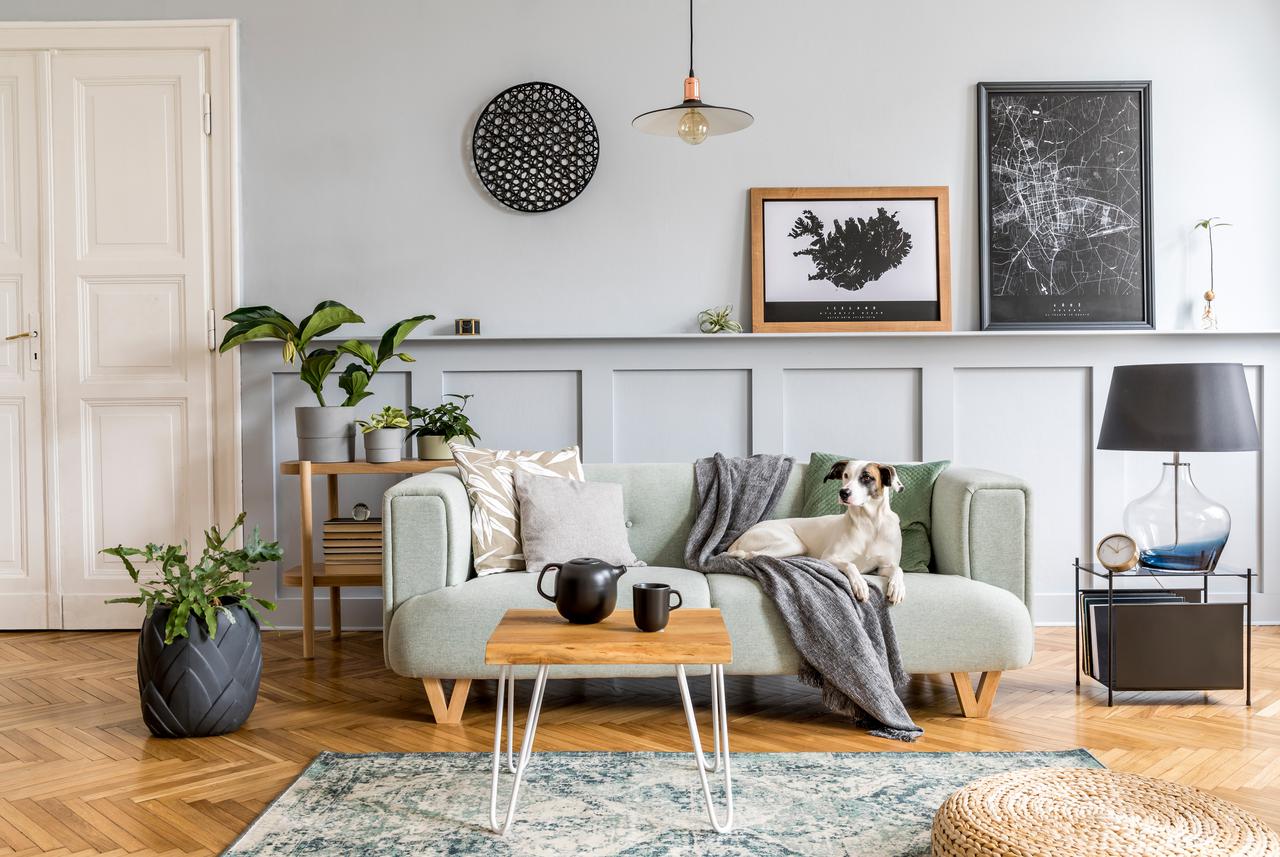
It often happens that after spending time in a neutral space you feel more relaxed. In the same way, after spending time in a colorful, vibrant room, you feel more energized. It is very likely that much of it all comes down to color psychology, the connection between the emotions a person has and the color they have come into contact with. From this, it follows that color psychology has a huge impact within interior design schemes.

What is color psychology?
Color psychology is the study of the impact of color on human behavior. Its goal is to understand why and how different shades affect our feelings, behavior, and decision-making processes. Color psychology is used in many fields, from branding and marketing to interior design, art, and more, in an attempt to use color optimally to achieve a certain goal.
For example, you need to realize how you feel after going to sleep in a bedroom full of pale, neutral colors. Will you feel more rested or not? Will a room with walls painted purple make you feel more relaxed or not? Did the color influence the choice of the last clothing item you purchased, or not?
You will most likely have a strong feeling for all of these questions. While the answers may differ from person to person, depending on factors such as culture, education, location, age, and more, some color meanings are more universal.
For example, we naturally correlate warm colors like red, orange, and yellow with warmth and sunshine, while cool colors like blue, green, and purple tend to be calming and refreshing.

The importance of color psychology in interior design
Because colors have such a powerful influence on human emotions, they can be used wisely in interior design to convey a specific message and shape how it is perceived.
In interior design, color psychology is a tool that influences the mood of a room more than any other factor. Different shades evoke certain emotions, and when choosing colors, it is important to consider the type of atmosphere you want to create and which colors will help you achieve this.
When we talk about color psychology in interior design, we’re not just talking about how colors affect your mood, but also how they can make you look good. We’re constantly surrounded by different shades at home, and they have a long-lasting effect on how we think, feel, and even appear to others.
When it comes to color in interior design, warm colors like red, orange, and yellow are considered hues that evoke feelings of happiness, optimism, and energy. They are ideal for public spaces in the home, such as the living room, dining room, or balcony. According to research, red in particular helps increase a person’s appetite.
Cooler shades like green, blue, and purple are considered calming and soothing and are ideal for bedrooms. Purple, in particular, is thought to enhance creativity.
Color psychology shows that the color choices you make around you are key to determining how that space will make you feel.

What shades does color psychology refer to?
Pink can lift your mood. A subtle glow radiates from pink walls, making both people and furniture appear brighter and more flattering. This makes pink bathroom ideas great for making sure you look your best when you get ready for the day. Pink is also a great source of inspiration for living rooms because it’s unexpected, yet inviting and warm, and the hue adds richness to the overall tone of the light, creating an intimate vibe for a gathering or a relaxing nap.
Blue gives a sense of stability. Blue is believed to reduce blood pressure and heart rate. Deep, bold shades are effective in creating a sense of trust and are linked to traits such as loyalty, confidence, peace, and success. Considered calming and serene, this color is often recommended for bedrooms and bathrooms where you want to create a relaxing environment.
Green combines the invigorating quality of blue with the optimism of yellow. Green is suitable for almost any room in the home. It stimulates thoughts of balance, growth, and restoration in color psychology . Green immediately brings the natural world to mind, and encourages relaxation, but has enough warmth to promote comfort.
Red can evoke emotions of prestige and dominance. Red is associated with passion and love. It is a color that evokes strong emotions. It is the most intense color, raising the energy level of a room and pumping adrenaline.
Ambition, action and will are all qualities attributed to this color, which is why red is a great option for home offices and creative spaces. In the living room, red draws people together and stimulates conversation. In an entrance hall, it creates a strong first impression.

Yellow captures the warmth of sunlight and evokes positivity. Yellow is a great choice for kitchens, living rooms, and bathrooms, where it is energizing and welcoming. Stick to golden hues and use it to brighten dark corners of your home to create a sense of light and space.
Purple is associated with a range of positive emotions, from depth and creativity to fantasy and nobility. It carries a regal charm and suggests luxury, which provides a real presence. Consider using it in a dressing room for maximum effect, or use it in the hallway to impress guests at the first opportunity.
Neutral colors, shades like black, gray, white, and brown, are vital to the interior designer’s palette. Their virtue lies in their flexibility, adding color to liven things up and taking it away for a more subtle aesthetic. Gray is one of those versatile colors that can be warm or cool and can evoke feelings of calm and security. Black’s neutrality gives it a secure quality and creates an elegance that leads to power, drama, and mystery.
Paint colors can have a dramatic impact on the atmosphere of a space, experts say. It’s not just about considering the color, but also its subtle undertones and the colors it will sit alongside, either as painted surfaces or as accessories in the space.

