


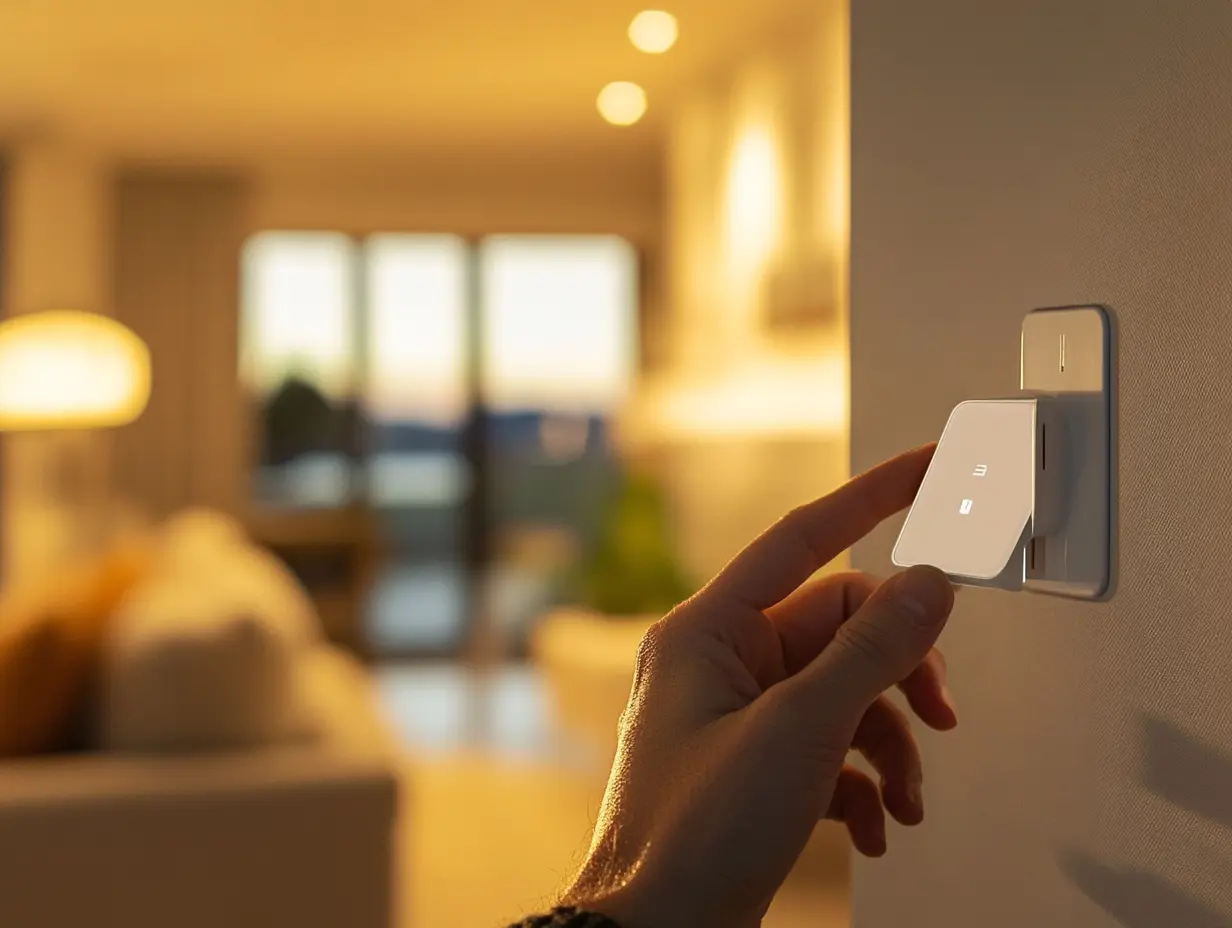
Smart light switches are the new flagship innovation in Home Automation to introduce efficiency and comfort into modern life. The introduction of smart lighting systems is essential to create intuitive home environments in a technological context. Thus, these systems allow homeowners to control their lighting when they are away, monitor their energy consumption, save money, and even schedule automatic switching on of the lights.
Presented as Wulian Smart Home, Nanjing IoT Sensor Technology Co., Ltd. aims to provide the most comprehensive solutions, from simple smart switches to broader applications for smart communities and cities.
This specialization sets Nanjing IoT Sensor Technology Co., Ltd apart from other market players, particularly in the fields of smart energy, intelligent transportation systems, and smart street lighting. This comprehensive guide explores the specific requirements and features of smart switches. It explains how they integrate seamlessly into your home automation system for a smart and energy-efficient living environment.

Understanding the Basics of Smart Switches
Smart switches are the ideal solution for conveniently controlling home lighting. These devices are easy to use and can be controlled via smartphone apps, voice commands, or home automation systems. With the advent of non-neutral wire switches, their installation has become simple and accessible to most homes, facilitating the transition from standard to smart lighting.
The integration of Matter into their smart switches by more and more brands opens up the possibility of future devices and increased interoperability between different manufacturers. The protocol optimizes multiple power and control options, allowing for the combination of devices. Smart switches are still evolving, with the addition of mobility sensors and energy management features. Here are options that meet different home automation needs and desires.

Key specifications to consider
When considering smart switches, several key features, both functional and practical, are essential. These include compatibility with voice control systems and smart home apps. A switch that’s integrated into your ecosystem will allow you to easily change your lighting preferences with simple commands or a few taps on an app.
Another aspect to consider is the various dimming levels and customization features. Many current smart switches allow you to change brightness, program schedules, and create lighting moods tailored to specific moods or activities. It’s also important to consider aesthetics and ease of installation, as they can significantly impact user experience and overall satisfaction. With technology evolving, keep an eye out for innovations to find the smart switch best suited to your home.

Types of Smart Light Switches
Smart switches have revolutionized home automation, offering a multitude of features to meet specific needs. Among the various models available, single and double models allow you to control multiple lights while blending harmoniously with your interior design. Users can control their lighting via apps or voice commands, seamlessly integrated into their smart ecosystem.
The latest models come with convenient features like scheduling and three-way functionality, so they never forget to turn off the lights again. Compatibility with home automation systems, compliant with standard specifications, allows for better interoperability: users can connect their switches to different connected devices and enjoy a seamless experience. With technology still evolving, a variety of smart switches today offer simple solutions for customizing the lighting in each space.

Connectivity options: Wi-Fi, Zigbee, and Z-Wave
Connection type is an important factor when choosing smart lighting. Wi-Fi switches easily integrate with any existing network for simplified control from smartphone apps and voice assistants. For those new to home automation, these switches are relatively simple to install.
Conversely, Zigbee and Z-Wave switches guarantee a reliable and stable connection via the mesh network. These options are particularly effective when installing multiple devices, allowing for fast and seamless communication while minimizing latency. Additionally, they control a larger number of devices, enhancing a home’s automation capabilities. With a growing number of brands offering Matter-compatible products, the chosen connectivity option becomes very different in terms of functionality and compatibility with other smart home devices.
Compatibility with smart home ecosystems
When choosing a smart switch, compatibility with different home automation ecosystems is an important factor to consider. With the ever-growing home automation industry, protocols like Matter are becoming essential for improving interoperability between devices from different manufacturers. Therefore, it’s a good idea to check that each device is compatible with Matter when choosing a smart switch; otherwise, integrating that smart switch into a home automation system will be even more complex.
Smart switches aren’t just about simple control via an app or voice command; they also help reduce energy consumption. They can be installed in appropriate locations throughout the home for optimal control and, consequently, lower energy bills. Choose switches that are tailored to your needs and that integrate seamlessly with your existing connected devices for maximum productivity from your home network.
Features and Functionality of Smart Light Switches
Modern smart switches have become essential in homes, combining convenience and energy efficiency. These devices allow you to control lighting from your smartphone or through voice assistants, quickly and effortlessly creating the ideal ambiance. Options available at prices well under $2,000 make home improvement more accessible than ever, combining form and function.
Thanks to new specifications like Matter 1.4, which guarantee better interoperability between different connected devices, we can now be sure that our switch will work seamlessly with the other devices in our home automation ecosystem. Technological innovation offers other solutions, such as smart dimmers and switches with motion detection for optimized control and automation, allowing you to reduce your energy consumption while maintaining your comfort. A wide range of features is now available, from the most basic control mechanisms to advanced options. Choosing the right model will radically transform your daily life.
Installation Process and Requirements
Installing smart switches gives you the ability to control your home’s lighting while saving energy. Installation typically requires replacing conventional switches with smart versions, a task that’s easy for anyone with basic electrical knowledge. Start by turning off the power at the circuit breaker. Then, unplug the old switch and connect the new smart switch according to the manufacturer’s instructions. It’s imperative to follow safety guidelines and check the smart switch’s compatibility with your home’s wiring. Among
The recent innovations integrated into Matter devices, such as smart switch integration, are simplified. Matter’s interoperability standard facilitates connectivity with multiple home automation systems, with which the switches integrate seamlessly; you benefit from convenient control of your lighting. Therefore, when installing remote access or voice activation, ensure the chosen product has the latest specifications and features to take full advantage of your smart home.
User interface and control options
Smart light switches must be user-friendly and offer multiple possibilities of use to provide the required functionality and comfort. Currently, these switches feature very simple mechanisms, including touch controls, mobile applications, and voice commands. This makes it possible to enjoy the light even when the person is absent.
Furthermore, this helps improve the user experience, as some models can integrate other devices into their logical networks. It allows you to schedule events or create personalized control scenarios according to your preferences. All these new smart features will significantly improve the comfort of your home and make it smarter and more responsive to everyone’s needs. More and more options are available on the market, and choosing the solution that best suits your home automation needs can make all the difference.
Safety and energy efficiency considerations
Safety and energy efficiency are the two key criteria that smart switches must rely on. With the increasing automation of home appliances, if these devices were to evade safety standards, the risks of electrical hazards would increase. Manufacturers now offer smart switches with enhanced safety features, such as built-in circuit breakers and surge protectors, which enhance the safety of our home environment.
Energy efficiency is another key concern. Thus, many innovative models have recently minimized energy consumption to help homeowners reduce their electricity bills. Perhaps the next advancement involves energy monitoring, which allows users to track their consumption in real time and make adjustments to minimize waste. Thanks to all these technologies, smart switches have become essential, not only for their utility but also for contributing to a sustainable lifestyle and promoting energy savings through home intelligence.
Future Trends in Smart Light Switch Technology
In the future, smart switches will depend not only on ease of use and compatibility, but also on their technology. One of the latest innovations on the market is a smart switch that operates without a neutral wire, simplifying its installation in existing electrical configurations. This translates into reduced rewiring for homeowners looking to upgrade their lighting systems, making this technology accessible to all.
Another revolutionary change is observed with interoperability with the Matter protocol. Once widely adopted by manufacturers, it will offer users seamless integration between brands and platforms. Such advancements only enhance the functionality of compatible systems, facilitating automation for more specific user experiences in the connected home. This goal will likely continue in the future, accompanied by diversification and user convenience tailored to our needs.

